
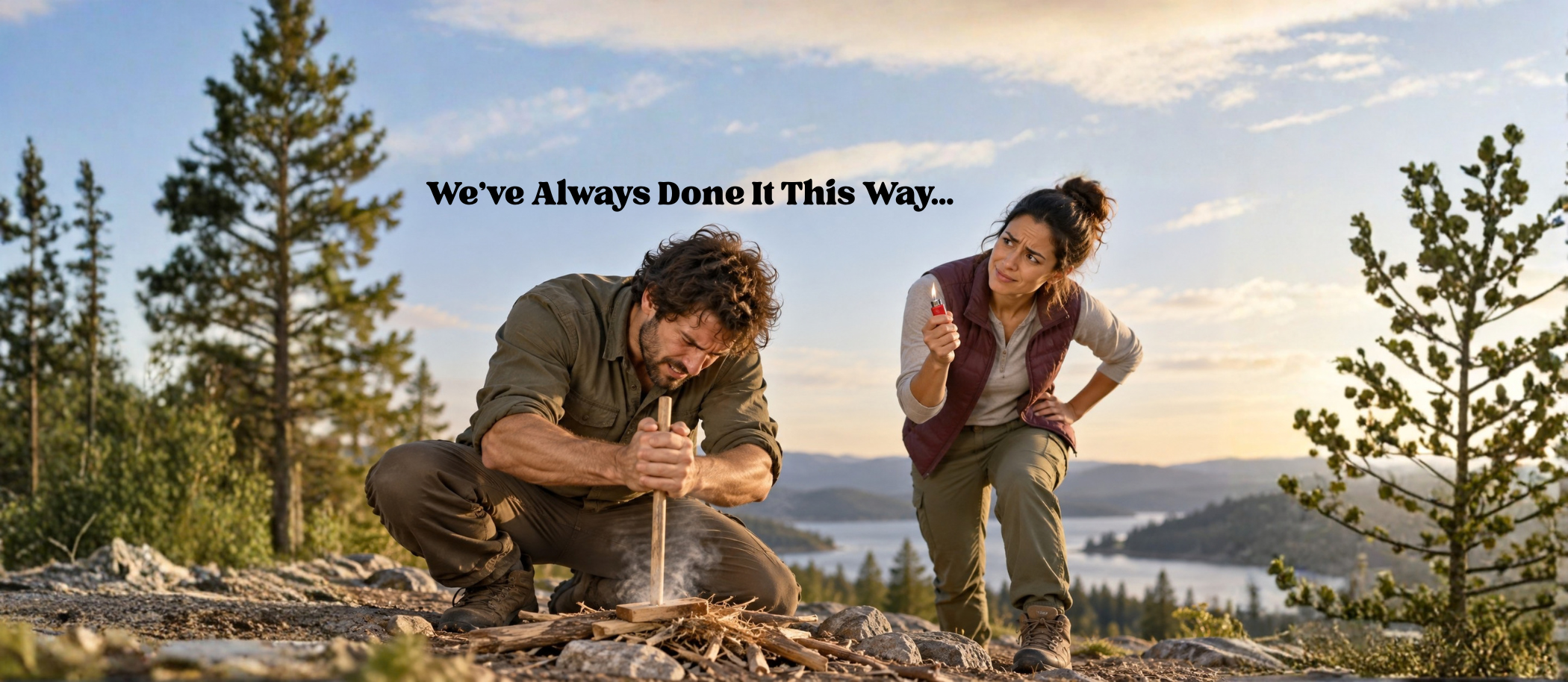
Sometimes a process survives because it works. Sometimes it survives because nobody has stopped long enough to ask whether it still does.

Friction at Work Series — Part 3: When “Not My Job” Becomes the Culture
Knowing where your responsibility begins and ends is important. But when “that’s not my job” becomes the default response, the gaps between roles can become more important than the work everyone is there to achieve.

Friction at Work Series — Part 2: The Meeting After the Meeting
Sometimes the most revealing conversation in a workplace is not the one that happens around the boardroom table. It is the one that begins after everyone leaves.

Friction at Work Series — Part 1: When Everyone Knows What to Do — Differently.
Sometimes workplace friction has very little to do with people being difficult. Everyone may be doing exactly what they believe is expected of them — just from very different versions of what “right” looks like.
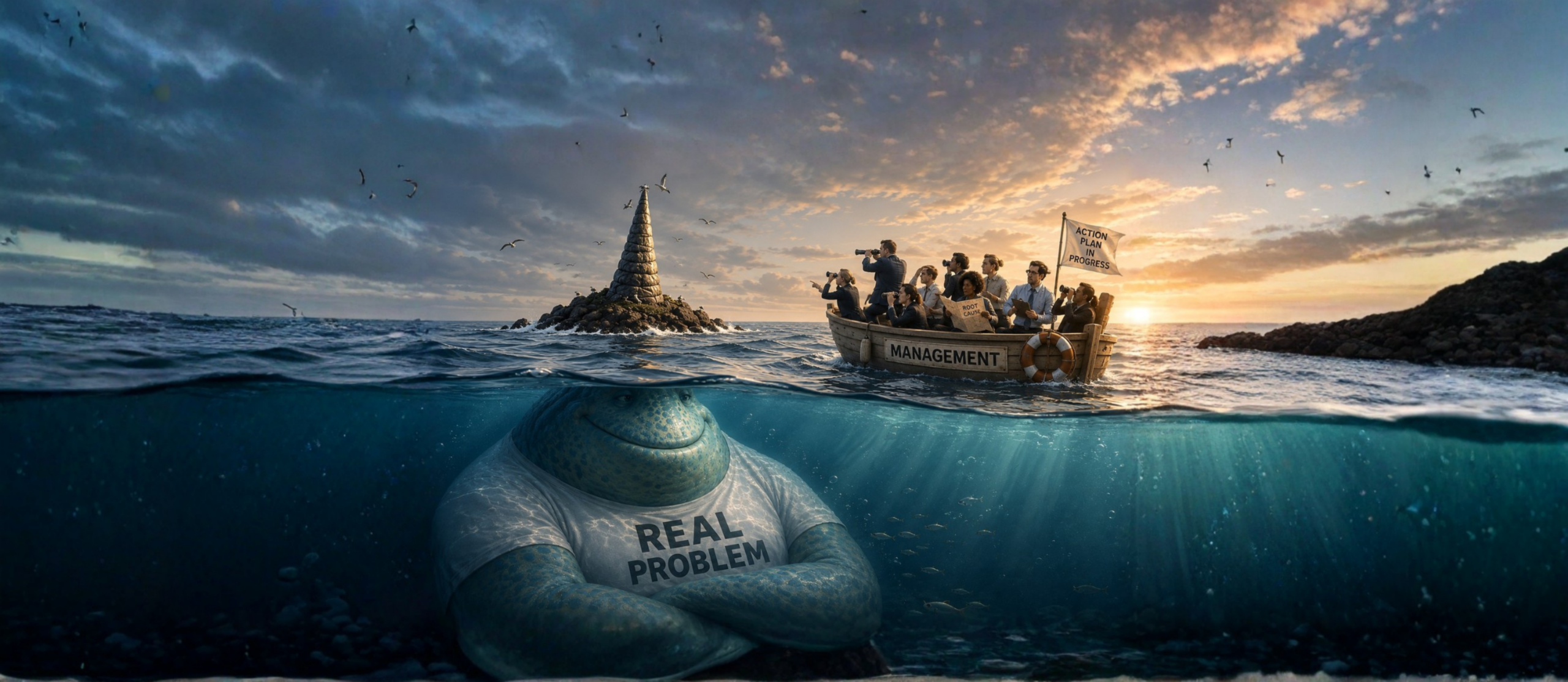
When the Problem Isn’t the Problem
Sometimes the issue everyone is trying to solve isn’t actually the issue at all. The visible problem is often simply the point where a deeper pattern becomes impossible to ignore.

Stop Surviving. Start Living.
Sometimes giving up doesn’t look like a crisis. Sometimes it looks like carrying on for so long that you forget you’re allowed to want more.

Recalibrating
Progress isn’t always linear. Sometimes the most important step is pausing long enough to adjust — and then continuing.

Finishing What You Start
Some commitments aren’t about the outcome. They’re about proving to yourself that you will show up — no matter the conditions.

Making Space
Sometimes all it takes to shift a dynamic is one person choosing to make space for someone else to belong.

On Paying It Forward
Sometimes support doesn’t need a reason. It just needs a willingness to give someone a chance.